
Back teeth get cavities first because their deep grooves trap food and bacteria that a toothbrush cannot fully reach. Dental sealants seal off those grooves with a thin protective coating, lowering cavity risk for both children and adults.
If you have ever had a cavity, there is a good chance it was in one of your back teeth. Molars and premolars do most of your chewing, and their shape makes them especially vulnerable to decay. A dentist in Bethlehem Township, PA, can help you protect these hardworking teeth with a quick, painless treatment. Here is why back teeth are at higher risk and how sealants can help.
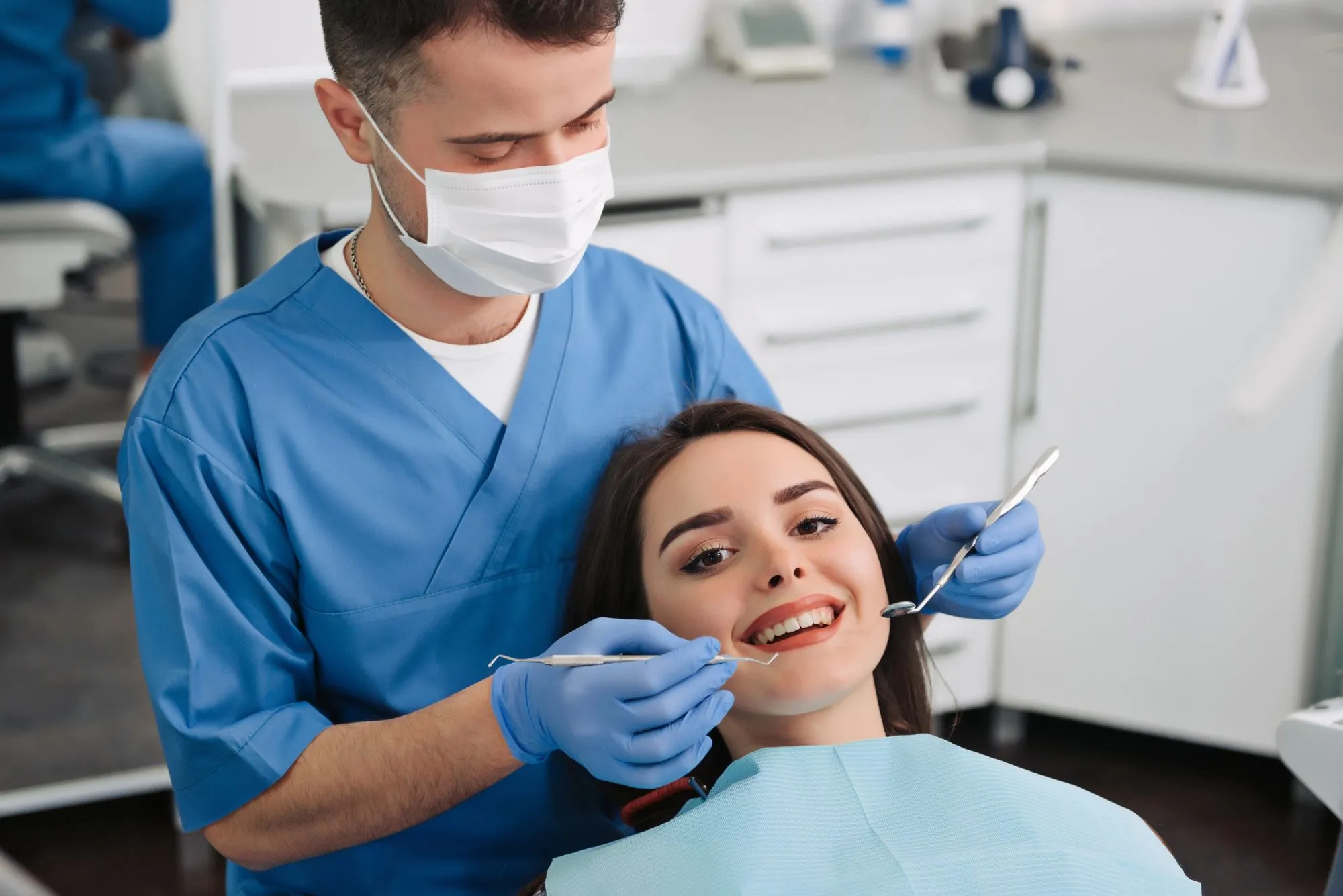
Why Do Back Teeth Get Cavities First?
The chewing surfaces of your back teeth are covered in natural pits and grooves. These grooves help you grind food, but they also create perfect hiding spots for food particles and bacteria. Some grooves are so narrow that a single toothbrush bristle cannot reach the bottom. Over time, trapped bacteria produce acids that break down enamel and lead to cavities.
Other Factors That Raise the Risk
The shape of your teeth is only part of the picture. Daily habits and health conditions can also make back teeth more prone to decay. Common risk factors include:
- Deep or narrow grooves on the chewing surfaces
- Frequent snacking or sipping sugary drinks
- Dry mouth caused by medications or health conditions
- A history of cavities or fillings
- Difficulty reaching back teeth when brushing
How Sealants Protect Back Teeth
A dental sealant is a thin, tooth-colored coating applied to the chewing surfaces of back teeth. It flows into the grooves and hardens, creating a smooth barrier that keeps food and bacteria out. The process is quick, painless, and does not require drilling or numbing. Most patients can have several teeth sealed in a single short visit.
Sealants Are Not Just for Kids
Sealants are often associated with children, but adults can benefit from them too. Adults with deep grooves, frequent cavities, or dry mouth may be strong candidates. Sealants can also be placed over very early enamel weakness to help stop it from turning into a cavity. Your dentist can check your teeth and let you know if sealants make sense for you.
Frequently Asked Questions
How long do dental sealants last?
Sealants can last for several years with good care. Your dentist will check them during regular visits for wear or chipping. If needed, they can be repaired or reapplied quickly.
Do sealants replace brushing and flossing?
No, sealants work alongside your daily oral care routine. They protect the chewing surfaces, but you still need to brush and floss to clean the rest of your teeth. Regular checkups and cleanings are also important.
Can sealants be placed on teeth with fillings?
Sealants are usually placed on healthy teeth or teeth with very early signs of weakness. Teeth with existing fillings may not need sealants on the treated area. Your dentist will recommend the best option for each tooth.

Protect Your Smile With a Dentist in Bethlehem Township, PA
Your back teeth work hard every day, and they deserve extra protection. At Wolfe Dental Spa, our team offers quick, comfortable sealant treatments for patients of all ages. We will check your teeth, explain your options, and help you prevent cavities before they start. Schedule your appointment today to keep your smile strong and healthy.