
Wisdom teeth can cause serious dental issues when they lack sufficient space to grow properly, making timely evaluation essential. If you're looking for a dentist in 18045, understanding the signs of problematic wisdom teeth can help you avoid pain, infection, and long-term complications.
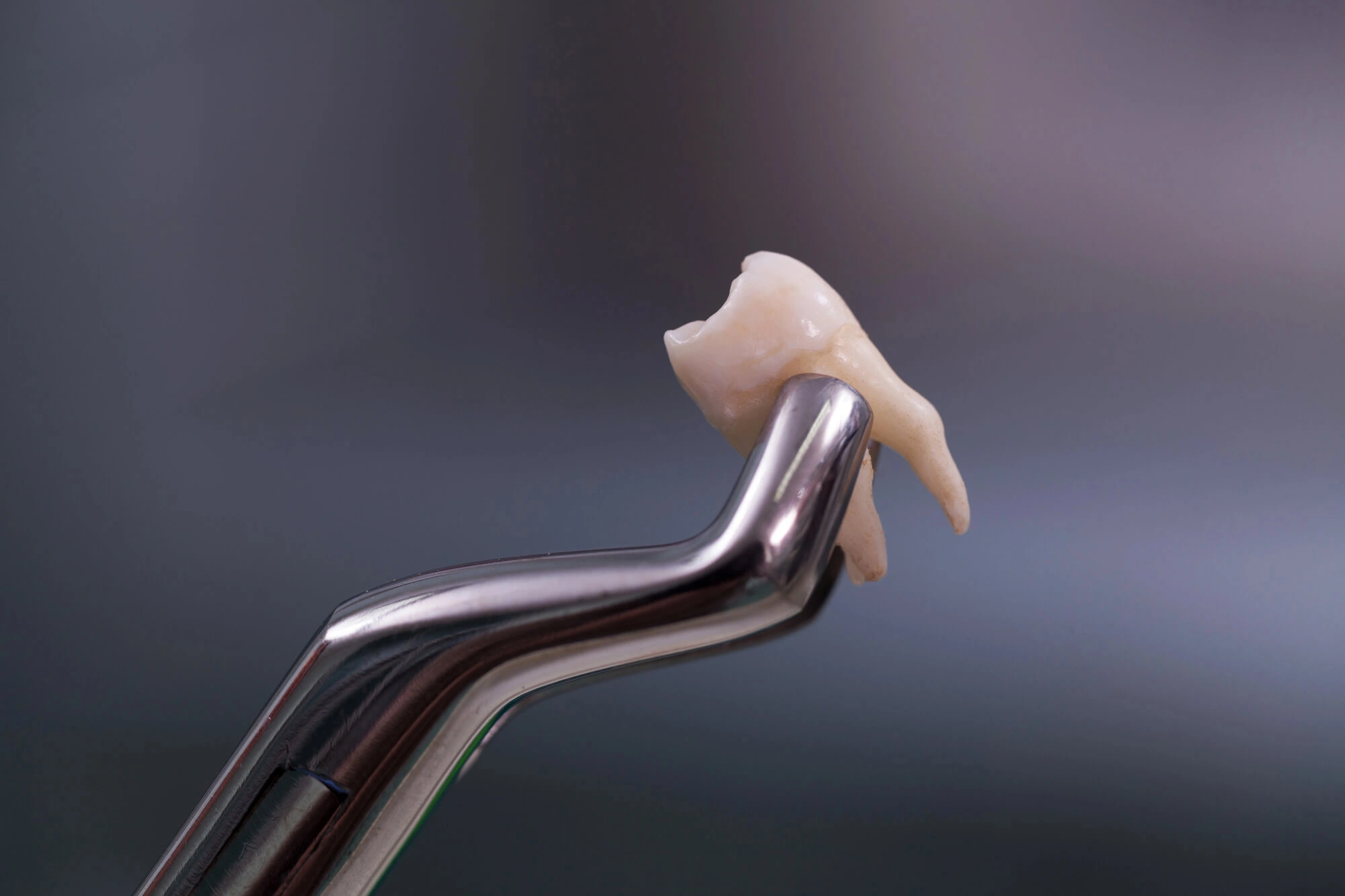
What Are Wisdom Teeth and Why Do They Cause Problems?
Wisdom teeth are the third set of molars that typically erupt in the late teens or early twenties. For many people, these teeth lack sufficient room to grow properly, leading to impaction, misalignment, or partial eruption.
When wisdom teeth become impacted, they may push against nearby teeth, trap food and bacteria, or lead to swelling and discomfort. In some cases, they remain entirely trapped under the gums, creating hidden issues that can worsen over time.
Common Signs You May Need Wisdom Tooth Extraction
Wisdom teeth do not always cause immediate symptoms, but when they do, the signs are often noticeable and uncomfortable.
You may need an evaluation for removal if you experience:
- Pain or pressure at the back of the mouth
- Swollen or bleeding gums
- Jaw stiffness or difficulty opening your mouth
- Headaches or ear pain
- Bad breath or unpleasant taste
- Crowding or shifting of nearby teeth
Early assessment can help prevent more serious complications and reduce the risk of infection or damage to surrounding teeth.
Why Do Impacted Wisdom Teeth Need Treatment?
When wisdom teeth do not erupt properly, they can create a range of oral health problems.
Potential Risks of Leaving Impacted Teeth Untreated
Untreated wisdom teeth may lead to:
- Tooth decay in hard-to-clean areas
- Gum infections or cyst formation
- Damage to neighboring molars
- Chronic pain or swelling
- Misalignment of existing teeth
Because these issues can progress silently, regular dental exams are essential for early detection.
What Happens During Wisdom Tooth Removal?
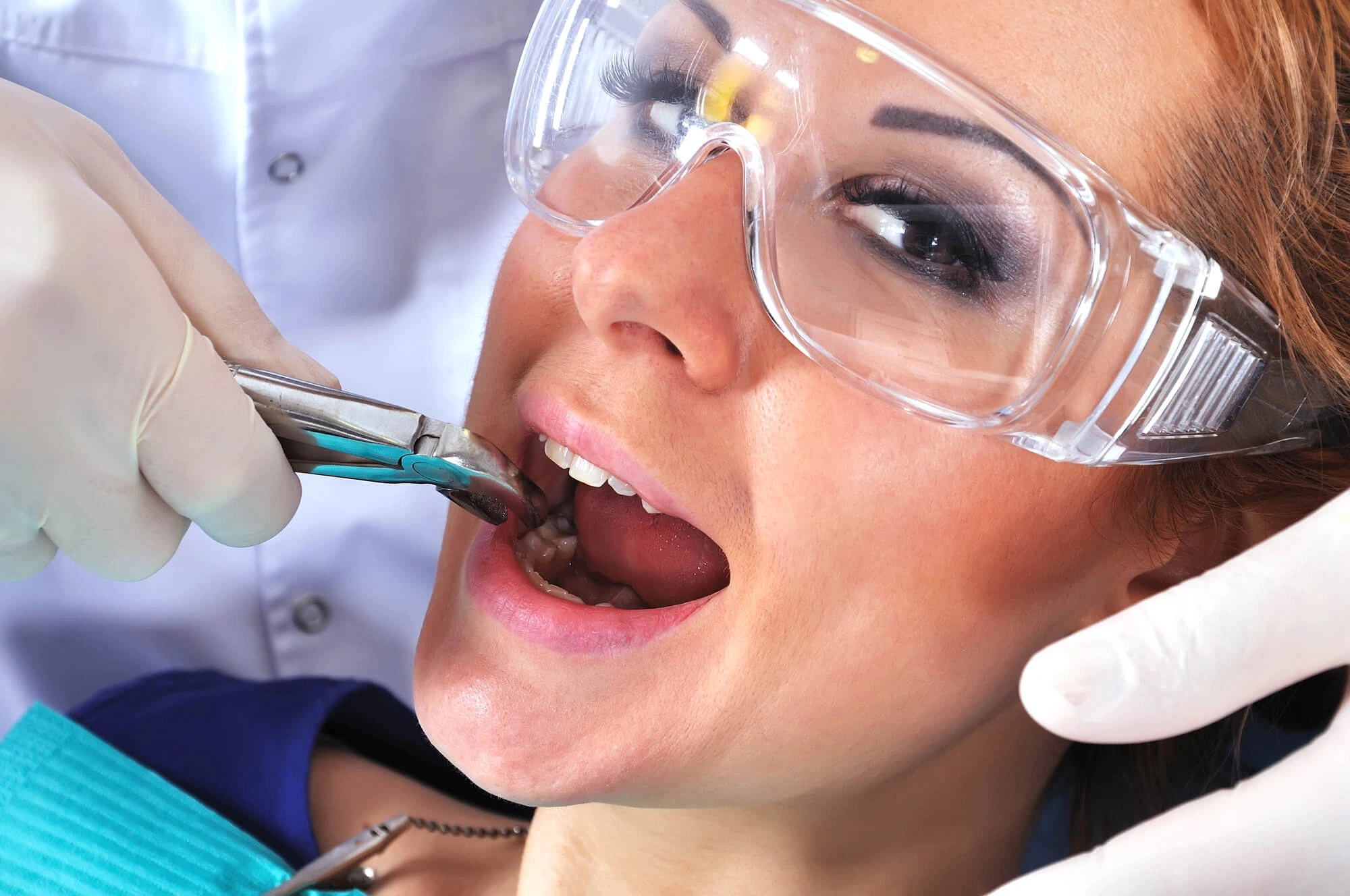
Wisdom tooth extraction is a common dental procedure performed under local anesthesia or sedation, depending on the complexity of the case.
The process generally includes:
- A thorough dental examination and X-rays
- Numbing or sedation for comfort
- Gentle removal of the tooth or impacted section
- Cleaning of the extraction site
- Placement of gauze to control bleeding
Most patients experience mild swelling or discomfort for a few days, which can be managed with proper aftercare instructions.
How Can You Recover Faster After Extraction?
Recovery is an important part of the healing process and can significantly impact comfort and healing time.
Helpful recovery tips include:
- Resting for at least 24 hours after surgery
- Avoiding hard or crunchy foods
- Using cold compresses to reduce swelling
- Keeping the extraction site clean as directed
- Avoiding smoking or using straws during healing
- Taking prescribed or recommended pain relief medication
Following aftercare instructions carefully helps ensure smooth healing and reduces the risk of complications.
Visit a Dentist in 18045 for Wisdom Tooth Care
If you're experiencing discomfort or suspect your wisdom teeth may be impacted, early evaluation can help protect your oral health and prevent future issues. The team at The Wolfe Dental Spa provides safe and effective wisdom tooth removal tailored to each patient's needs. Schedule your consultation today to get expert care and relief from wisdom tooth pain.