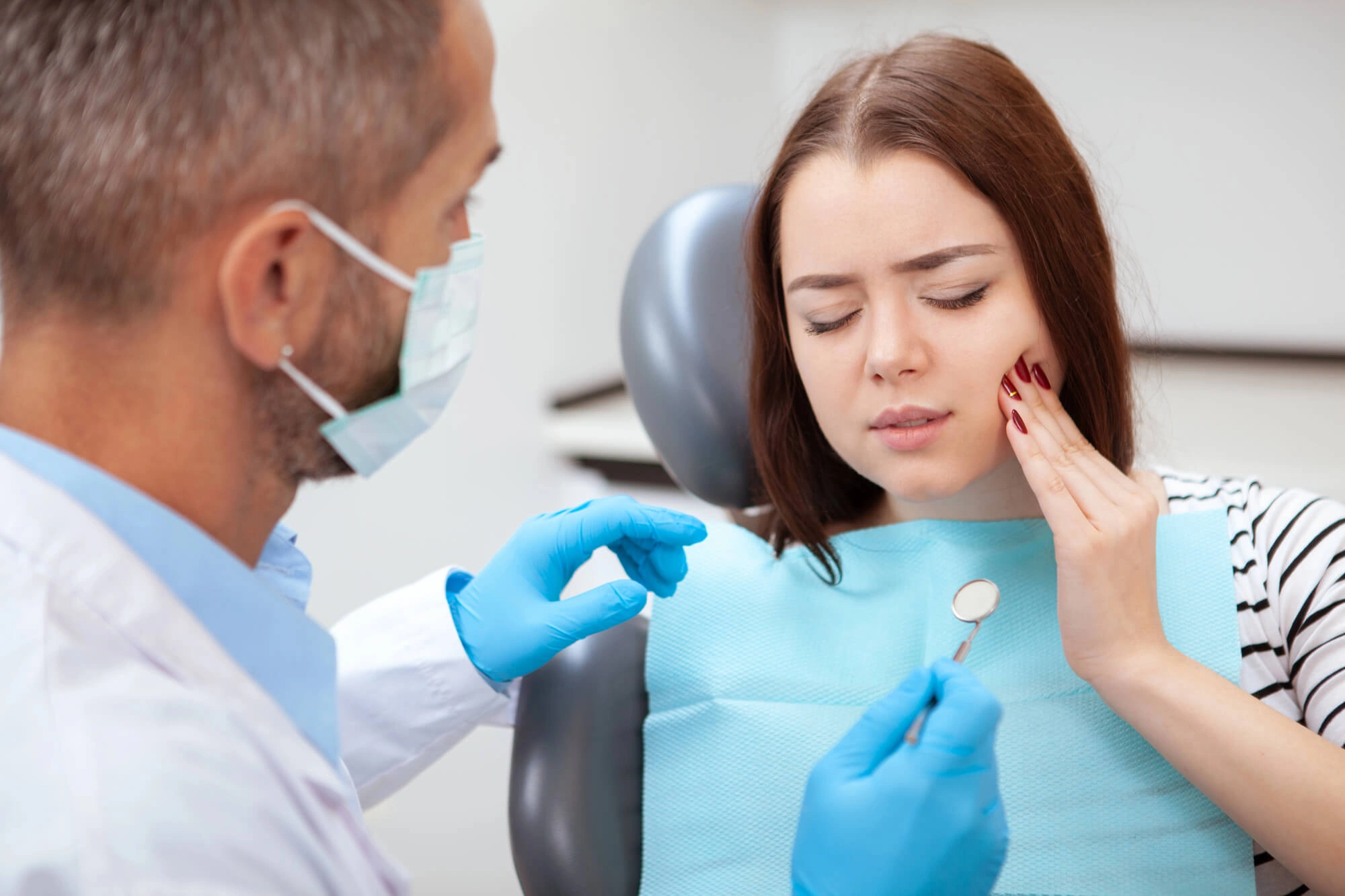
Dental emergencies can happen unexpectedly, and knowing when to seek immediate treatment can make a significant difference in protecting your smile. Visiting an emergency dentist in Easton, PA, promptly can relieve pain, prevent complications, and improve the chances of saving a damaged tooth. Recognizing the signs of a true dental emergency allows you to act quickly and receive the care you need before the problem worsens.
What Is Considered a Dental Emergency?
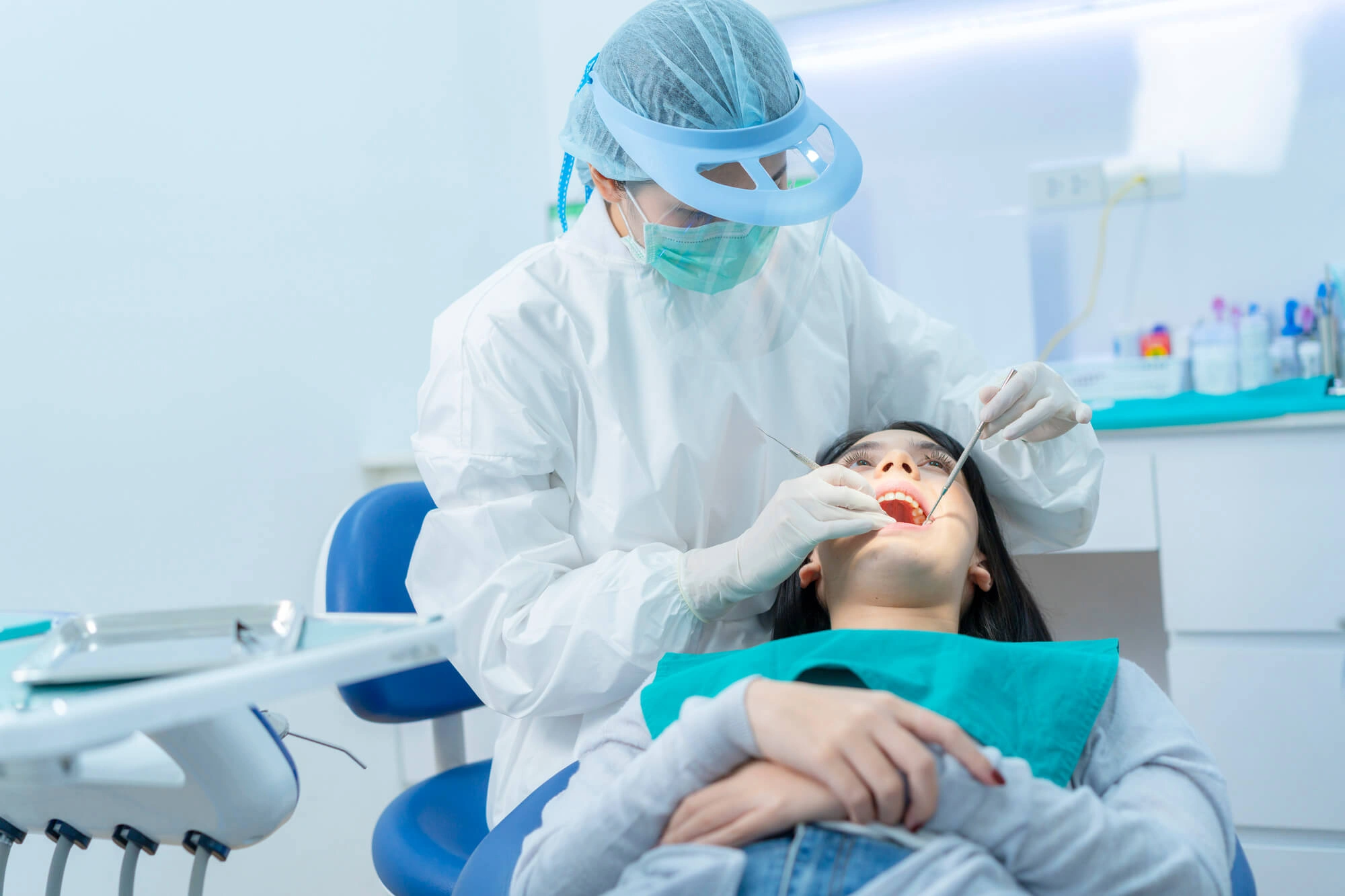
A dental emergency is any oral health issue that requires prompt treatment to relieve severe pain, stop bleeding, prevent infection, or save a tooth. While some dental concerns can wait for a routine appointment, others should be evaluated as soon as possible.
Common dental emergencies include:
- Severe or persistent toothaches
- Chipped, cracked, or broken teeth
- Knocked-out permanent teeth
- Loose or displaced teeth after an injury
- Dental abscesses or facial swelling
- Lost fillings or crowns causing pain or sensitivity
- Injuries to the gums, lips, cheeks, or tongue
- Uncontrolled bleeding after dental trauma
Seeking professional care early often leads to simpler treatments and better long-term outcomes.
Severe Toothaches
A toothache that doesn't improve or becomes increasingly painful may indicate an underlying problem such as advanced tooth decay, an infection, or damage to the tooth. Pain accompanied by swelling, fever, or sensitivity to pressure should never be ignored.
Your emergency dentist will perform an examination, identify the source of the discomfort, and recommend appropriate treatment. Depending on the diagnosis, treatment may include a tooth-colored filling, root canal therapy, or, in severe cases, a tooth extraction.
Broken or Knocked-Out Teeth
Accidents, sports injuries, or falls can cause teeth to chip, crack, or become completely dislodged. Even if the damage appears minor, prompt evaluation is important to prevent infection and preserve the tooth whenever possible.
If a permanent tooth is knocked out, handle it only by the crown, gently rinse away dirt without scrubbing, and try to place it back into its socket. If that's not possible, store it in milk and seek emergency dental care immediately. Quick action significantly improves the chances of saving the tooth.
When Should You Seek Immediate Dental Care?
Some symptoms indicate that delaying treatment could result in more serious complications. Contact an emergency dentist as soon as possible if you experience:
Facial Swelling or Dental Abscess
A dental abscess is a serious bacterial infection that can cause severe pain, swelling, pus drainage, fever, and a bad taste in the mouth. Left untreated, the infection may spread to nearby tissues and affect your overall health.
Treatment may involve draining the infection, performing root canal therapy, prescribing antibiotics when appropriate, or extracting the affected tooth if it cannot be saved.
Lost Fillings or Crowns
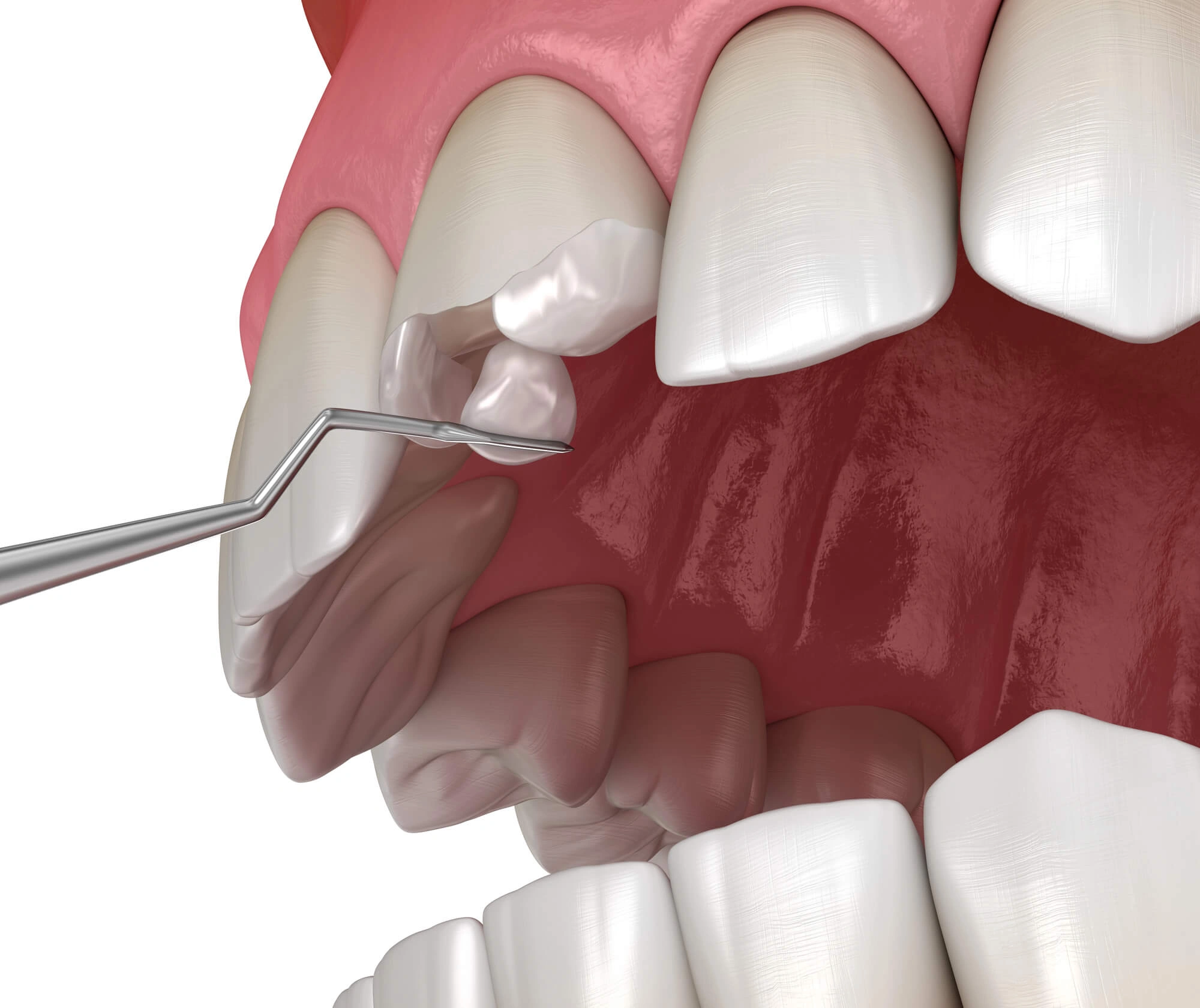
Although a lost filling or crown may not always seem urgent, it exposes the underlying tooth to bacteria, sensitivity, and additional damage. Seeking prompt treatment helps restore the tooth and reduces the risk of more extensive dental problems.
Your dentist may replace the filling, re-cement the existing crown, or recommend a new restoration based on the condition of the tooth.
Schedule an Appointment With an emergency dentist in Easton, PA
Dental emergencies should never be ignored, especially when pain, swelling, or dental injuries are involved. Prompt treatment can help preserve your natural teeth, relieve discomfort, and prevent more serious complications from developing. Wolfe Dental Spa provides timely emergency dental care tailored to your needs, helping you restore your oral health as quickly as possible. Contact the office today to receive the professional care your smile deserves.